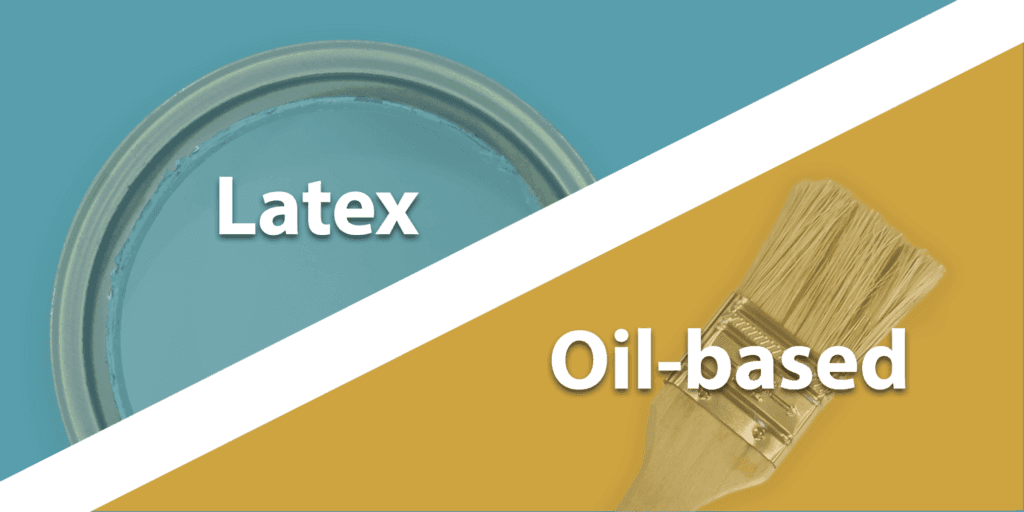
Choosing the right paint is essential for achieving a beautiful and long-lasting finish. With so many types of paint available, it can be confusing to determine which one is best for your project. Among the most common types are latex, oil, and acrylic paints. Each type has unique characteristics, advantages, and considerations that homeowners, DIY enthusiasts, and professionals should understand before beginning a painting project.
1. Latex Paint
Latex paint, also referred to as water-based paint, is one of the most popular options for interior and exterior projects. Its main solvent is water, which makes it easy to apply and clean up with just soap and water. Latex paint dries relatively quickly, usually within 1 to 2 hours, and offers excellent flexibility and resistance to cracking or peeling over time.
One of the primary benefits of latex paint is its low levels of volatile organic compounds (VOCs), which makes it a healthier choice for indoor spaces. It is also durable, resists fading, and adheres well to drywall, plaster, and masonry surfaces. Modern latex paints come in a variety of finishes, including matte, satin, eggshell, semi-gloss, and high-gloss, making it versatile for walls, ceilings, and trim.

However, latex paint is not always ideal for surfaces that are exposed to extreme moisture or heavy wear. For areas such as doors, cabinets, or furniture, a more durable paint may be recommended. Additionally, while latex paint is excellent for walls, it may require multiple coats to achieve complete coverage, especially over dark or uneven surfaces.
2. Oil-Based Paint
Oil-based paint, also known as alkyd paint, uses mineral spirits or turpentine as its solvent. This type of paint has been favored for decades for its smooth finish and superior durability. Oil-based paints dry slower than latex paints, often taking 6 to 8 hours for a touch-dry finish and up to 24 hours for full curing. This extended drying time allows for a self-leveling finish that minimizes brush strokes and imperfections.
Oil-based paints are exceptionally hard and resistant to wear, making them ideal for high-traffic areas, furniture, doors, and trim. They provide a glossy, professional finish that stands up well to cleaning and scrubbing. In addition, oil-based paints adhere well to a variety of surfaces, including metal, wood, and previously painted surfaces, which can be particularly useful for renovation projects.

Despite these advantages, oil-based paints come with a few downsides. They have higher VOC content, which can create strong odors and require proper ventilation during application. Cleanup also requires solvents like mineral spirits, which can be messy and toxic if not handled carefully. Additionally, oil-based paints tend to yellow over time, particularly in low-light areas, which may affect color consistency in some projects.
3. Acrylic Paint
Acrylic paint is a versatile water-based paint made with acrylic polymer emulsion. It combines the best features of latex and oil-based paints. Acrylic paint is known for its quick drying time, often within 30 minutes to an hour, and its strong adhesion to a variety of surfaces, including canvas, wood, metal, glass, and masonry. Its flexibility makes it resistant to cracking and peeling, similar to latex paint.
One of the standout advantages of acrylic paint is its vibrant and long-lasting colors. It resists fading and discoloration over time, making it a favorite for decorative projects and artwork. Acrylic paint is also easy to clean up with water and is generally low in VOCs, making it safe for indoor use. Available in a wide range of finishes, acrylic paint is suitable for both detailed artistic work and home improvement projects.

While acrylic paint offers versatility, it can be more expensive than standard latex paints, particularly in high-quality professional formulas. Its fast-drying nature can also make blending more challenging for large surface applications, which may require working in sections or using retarders to extend drying time.
4. Comparing the Three Types
When deciding between latex, oil, and acrylic paints, consider the following factors:
1. **Surface Type:** Latex is ideal for walls and ceilings, oil is great for trim and high-traffic areas, and acrylic works well for artistic projects and versatile applications.
2. **Drying Time:** Latex and acrylic dry quickly, allowing for multiple coats in one day. Oil-based paint dries slowly, which is ideal for a smooth finish but requires more patience.
3. **Durability:** Oil-based paints are the hardest and most durable, while acrylic paints provide flexibility and fade resistance. Latex is durable for walls but less so for heavy-use surfaces.
4. **Environmental & Health Factors:** Latex and acrylic paints are water-based with low VOCs, making them safer for indoor use. Oil-based paints emit higher VOCs and require proper ventilation.
5. Tips for Choosing the Right Paint
To select the best paint for your project, consider the following tips:
- Evaluate the surface material and location (indoor, outdoor, high-traffic areas).
- Decide on the desired finish and appearance (matte, satin, gloss).
- Consider environmental and health impacts, especially for indoor spaces with limited ventilation.
- Determine your timeline, as drying time varies significantly between paint types.
- Factor in budget constraints, as oil-based and high-quality acrylic paints are generally more expensive than latex.
Conclusion
Understanding the differences between latex, oil, and acrylic paints is crucial for achieving a professional, long-lasting finish. Latex paint is ideal for walls and ceilings, offering ease of use and low environmental impact. Oil-based paint provides unmatched durability and a smooth finish for high-traffic areas and detailed trim. Acrylic paint bridges the gap between artistic and practical applications with vibrant colors, flexibility, and quick drying time. By selecting the right paint type for your project, you can enhance the beauty, durability, and longevity of your space.
Whether you are a DIY enthusiast or a professional painter, understanding these paint types ensures that your next project is not only visually stunning but also built to last. Invest time in choosing the right paint, and your walls, furniture, or art pieces will reflect quality and care for years to come.